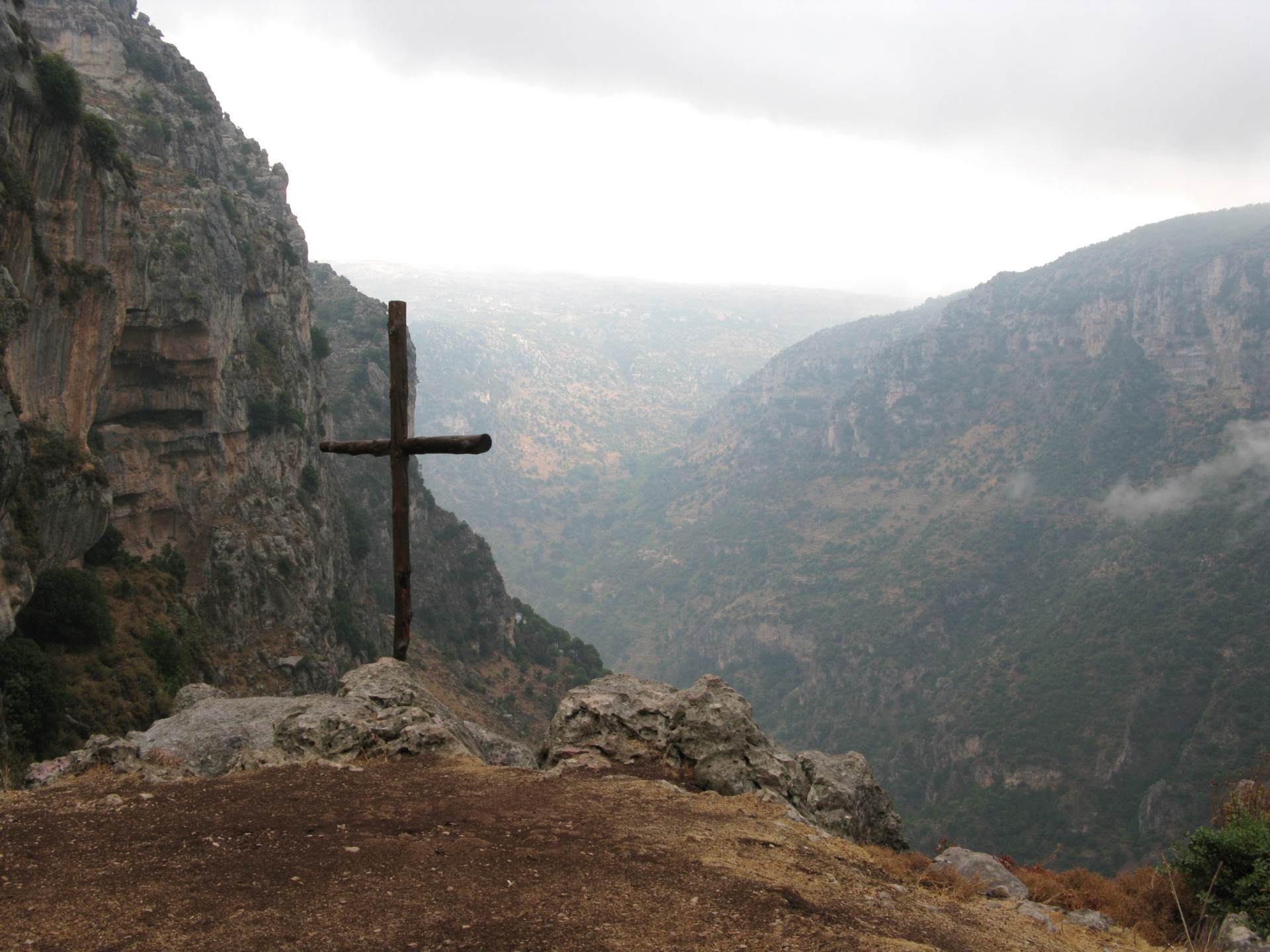
Lebanon and the Christian Faith
A sacred land where Christianity took root in the first century, preserved through centuries in mountain sanctuaries
In the Footsteps of Christ
Lebanon's connection to Christianity begins with Jesus himself, who walked upon its soil and ministered to its people
Jesus in Tyre and Sidon
The Gospels record that Jesus traveled to the region of Tyre and Sidon in southern Lebanon, where he healed the daughter of a Canaanite woman (Matthew 15:21-28, Mark 7:24-30). Crowds from these Phoenician cities traveled to hear him preach and witness his miracles.
The Apostles' Mission
Saint Peter and Saint Paul evangelized the Phoenicians, establishing the ancient Patriarchate of Antioch. Paul stayed with early Christians in Tyre and Sidon during his missionary journeys (Acts 21:3-7). When persecution arose, early Christians fled to Phoenicia for refuge (Acts 11:19).
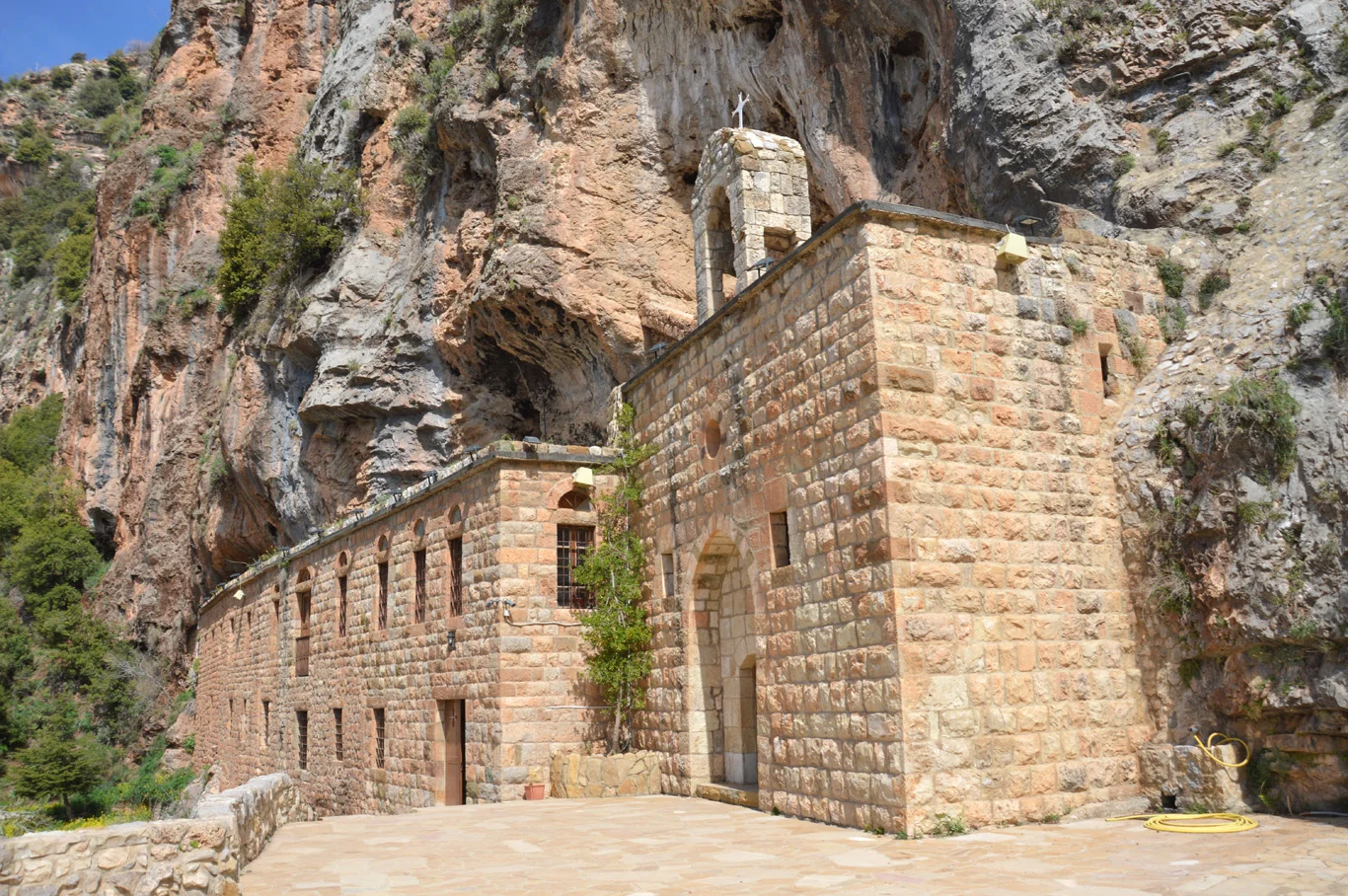
Saint Maron: Founder of a Nation's Faith
In the fourth century, a Syrian hermit named Maron chose a mountaintop near Cyrrhus (between Aleppo and Antioch) for his life of prayer and asceticism. Converting a pagan temple into a Christian church, he attracted disciples through his miracles, wisdom, and spiritual guidance.
After Saint Maron's death around 410 AD, his followers established the Monastery of Bet Maroun, creating a community that would become the Maronite Church. The Maronite Church holds the unique distinction of being the only Catholic church named after a person.
When Emperor Justinian II persecuted the Maronites in the seventh century, Saint John Maron (the first Maronite Patriarch) led his monks into the Lebanese mountains, settling in the sacred Qadisha Valley. There, isolated in mountain sanctuaries, the Maronites preserved their faith and developed their distinct identity.
The Mountains: Sanctuary of Faith
For over a millennium, Lebanon's mountains provided refuge where Christianity flourished even as empires rose and fell
Qadisha Valley
The Holy Valley (Qadisha) became the heart of Maronite monasticism. Ancient monasteries carved into cliffsides housed generations of monks who preserved Christian traditions, manuscripts, and liturgies through centuries of isolation.
Living Under Muslim Rule
Even after the Arab Muslim conquests of the seventh century and centuries under Ottoman rule (1516-1914), Mount Lebanon remained a Christian stronghold. The mountains granted autonomy and protection to communities that maintained their faith.
A Distinct Identity
Through centuries of isolation, the Maronites forged a unique identity—Eastern in liturgy and heritage, yet in communion with Rome. They maintained Aramaic and Syriac traditions while developing a strong sense of Lebanese distinctiveness.
Bridge Between East and West
The Crusades of the eleventh through thirteenth centuries brought the isolated Maronites back into contact with Western Christianity. In 1182, after centuries of separation, the Maronite Church reaffirmed its full communion with Rome.
In the sixteenth century, the Maronite Church formally adopted the Catholic catechism, and Rome sent Franciscan, Dominican, and Jesuit missionaries to Lebanon. These missionaries established schools throughout Mount Lebanon in the eighteenth century, creating centers of learning that would shape Lebanese culture.
The Maronites retained their unique character: an Eastern Catholic Church maintaining its own rites, canon law, and liturgical traditions. They use Arabic and Aramaic in their liturgy and preserve the West Syriac Antiochene tradition, serving as a living bridge between Eastern and Western Christianity.
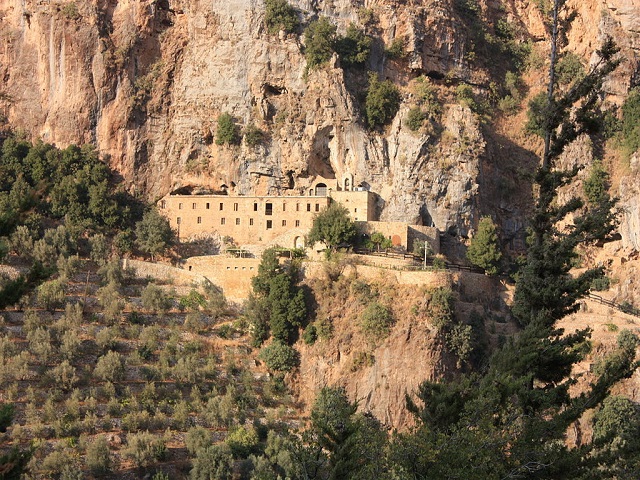
Founders of Modern Lebanon
Maronite leaders played a central role in creating the modern Lebanese state and shaping its unique identity
The Maronite-Druze Partnership
In the nineteenth century, Maronite Catholics and Druze communities founded modern Lebanon through a governing system known as the "Maronite-Druze dualism" in the Mount Lebanon Mutasarrifate. This partnership, characterized largely by harmony and peaceful coexistence, laid the foundation for Lebanon's unique multi-confessional character.
The Creation of Greater Lebanon (1920)
After World War I, Maronite Patriarch Elias Peter Hoayek led delegations to France, advocating for the re-establishment of Lebanese autonomy. France responded by creating Greater Lebanon in 1920, expanding the boundaries to include coastal cities and the Bekaa Valley. The Maronites emphasized "Lebanism" over Arabism, celebrating Lebanon's Mediterranean and Phoenician heritage.
The National Pact (1943)
When Lebanon gained independence, Maronite President Bshara el-Khoury and Sunni Prime Minister Riad as-Solh crafted the National Pact, an unwritten agreement distributing power among religious communities. The President would always be Maronite, the Prime Minister Sunni Muslim, and the Speaker of Parliament Shia Muslim. This confessional system recognized Lebanon's diversity while maintaining its Christian heritage.
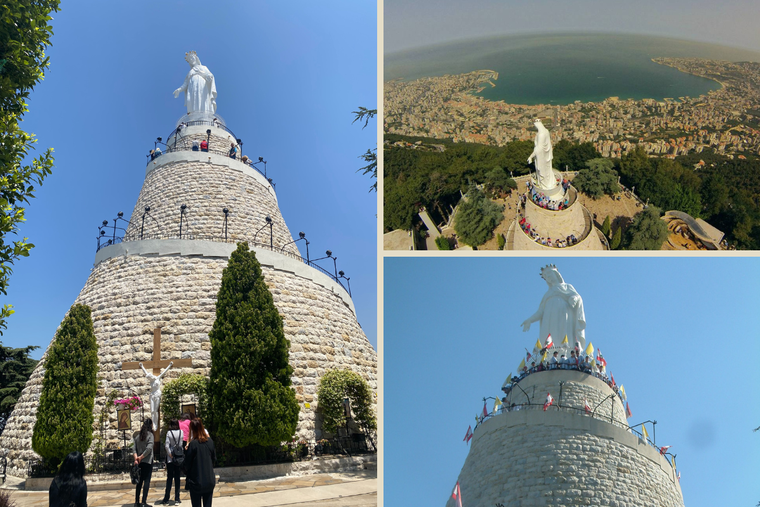
Our Lady of Lebanon
High above the bay of Jounieh stands the Shrine of Our Lady of Lebanon in Harissa, a towering bronze statue that has watched over the Lebanese people since 1908. This beloved pilgrimage site symbolizes the deep Marian devotion of Lebanese Christians and their enduring faith.
The shrine represents more than religious devotion—it embodies the Lebanese Christian identity forged through centuries of maintaining faith in a diverse and often turbulent region. Our Lady of Lebanon stands as a beacon of hope, protection, and the unbreakable bond between the Lebanese people and their Christian heritage.
For the Sarkis and Jabour families, as for millions of Lebanese Christians worldwide, this shrine connects them to their ancestral homeland and the faith that sustained their forebears through generations.
A Living Heritage
Lebanon's Christian heritage represents one of the world's oldest continuous Christian communities. From the first century when Jesus walked its soil, through centuries of mountain refuge, to the creation of modern Lebanon, this faith has shaped not just a nation but a people.
Today, Lebanon maintains the second highest proportion of Christians in the Middle East (after Cyprus), estimated at 37-43% of the population. While many Lebanese Christians have emigrated—forming the majority of the Lebanese diaspora worldwide—they carry with them this rich heritage of faith, resilience, and cultural distinctiveness.
For families like the Sarkis and Jabour, understanding Lebanon's Christian history is understanding the very foundation of their identity—a heritage of faith preserved through centuries, carried across oceans, and passed down through generations.