An Etymological Journey
The Name Jabour
From the mountains of Syria and Lebanon to the streets of Brooklyn, exploring the enduring legacy of a Maronite Christian family name that has shaped Middle Eastern and American identity
Etymology & Meaning
The surname Jabour (also spelled Jabbour) represents a distinguished Arabic family name with deep roots in the Levantine region, particularly Syria and Lebanon.
Arabic Root
جبّور
Jabbour (Arabic)
Root: J-B-R (ج-ب-ر)
The name derives from the Arabic root J-B-R, which carries profound meanings:
- •Jabbar (جبار) = "The Mighty," "The Powerful"
- •To mend or "to repair" = Divine restoration
- •Compeller = Irresistible force
Tribal Connection
The name Jabbour is a variant of Jubūr, connected to the largest Arab tribe of Iraq, named for their progenitor al-Sultan Jabr.
Geographic Distribution
"The surname Jabbour is of Arabic origin, derived from the given name 'Jabbar,' which means 'mighty,' 'powerful,' or 'compeller' in Arabic. It is most common among Christian families in Lebanon, Syria, and the broader diaspora."
Maronite Christian Heritage
The Jabbour name is predominantly Maronite Christian, representing one of the distinctly Christian surnames in Lebanon—recognized alongside El-Khoury (meaning "the priest") as a marker of Christian Arab identity.
54% Maronite
In Lebanon, 54% of Jabbours are Maronite Christian, making it one of the most distinctly Christian surnames in the region.
Mount Lebanon
46% of Jabbours live in Mount Lebanon Governorate, the historical heartland of Maronite Christianity for over 1,600 years.
Zgharta Heritage
24% concentrated in North Governorate, particularly Zgharta—a predominantly Maronite Christian town in northern Lebanon.
The Maronite Church
The Maronite Church is an Eastern Catholic Church in full communion with Rome, maintaining its own Syriac liturgical tradition and unique spiritual heritage. Jabbour families, being predominantly Maronite, are part of this ancient Christian tradition that:
- •Traces origins to Saint Maron (4th-5th century hermit in Syria)
- •Maintained Christianity in Mount Lebanon for over 1,600 years
- •Played central role in Lebanese independence and national identity
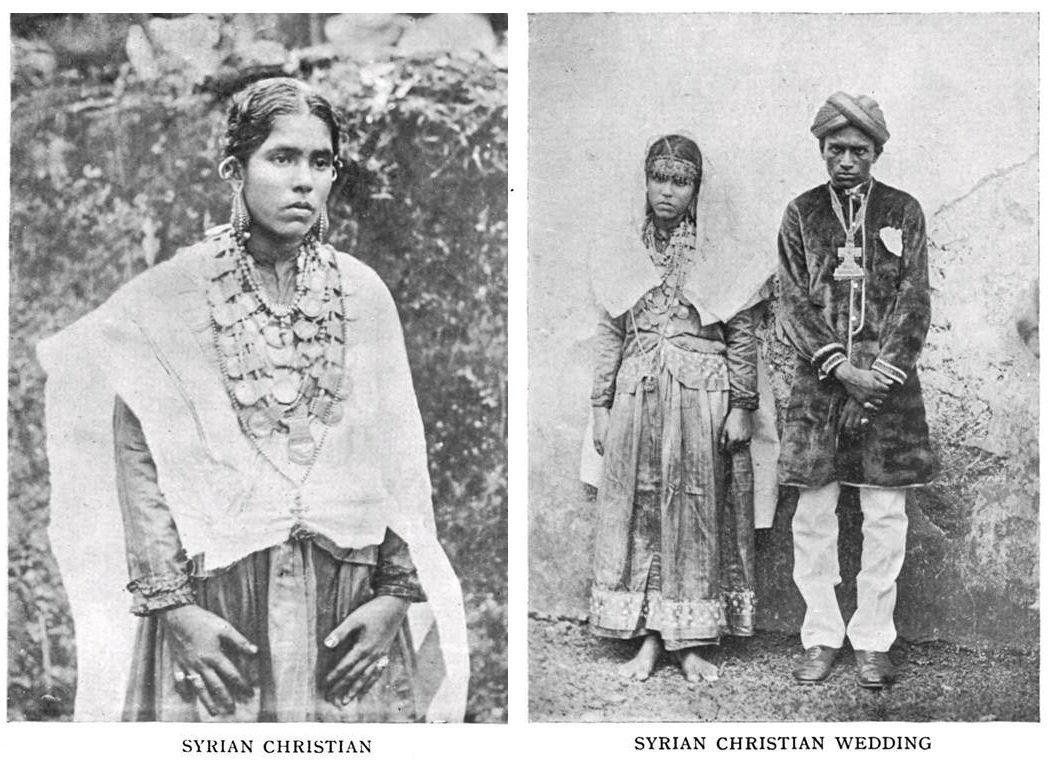
Syrian Christians in traditional dress, early 1900s
"There are unique family names however, specific to only one religion or majority a religion:El-Khoury and Jabbour purely Christian, mostly Maronite."
The Brooklyn Journey: 1920s to Present
The Jabour family's approximately 100-year history in Brooklyn places them within the great wave of Syrian Maronite Christian immigration to New York City.
Little Syria & Beyond
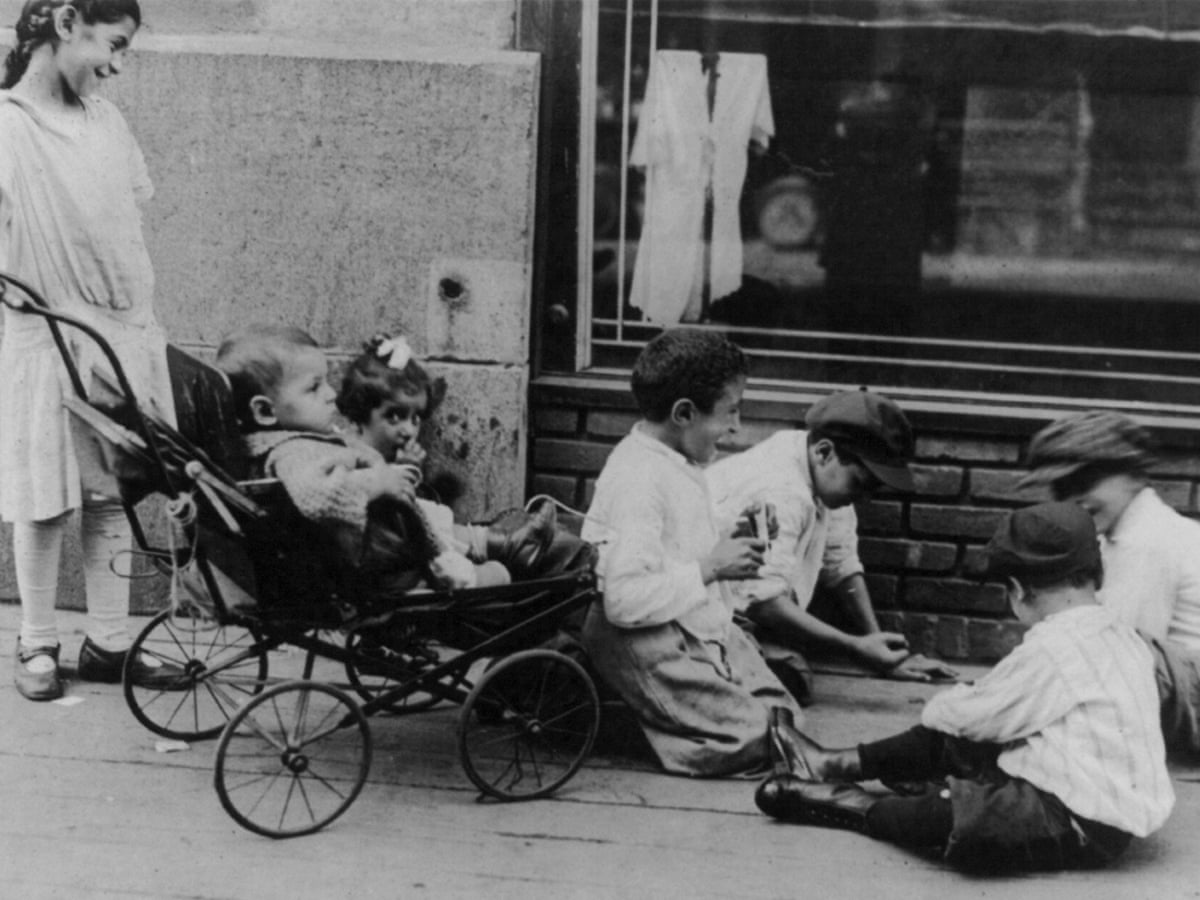
Syrian immigrants first settled in Manhattan's "Little Syria" (Washington Street) in the 1870s-1880s. By 1910, Brooklyn surpassed Manhattan as the center of Syrian-American life, with 10,000 Syrian-Americans by 1930.
Bay Ridge Settlement
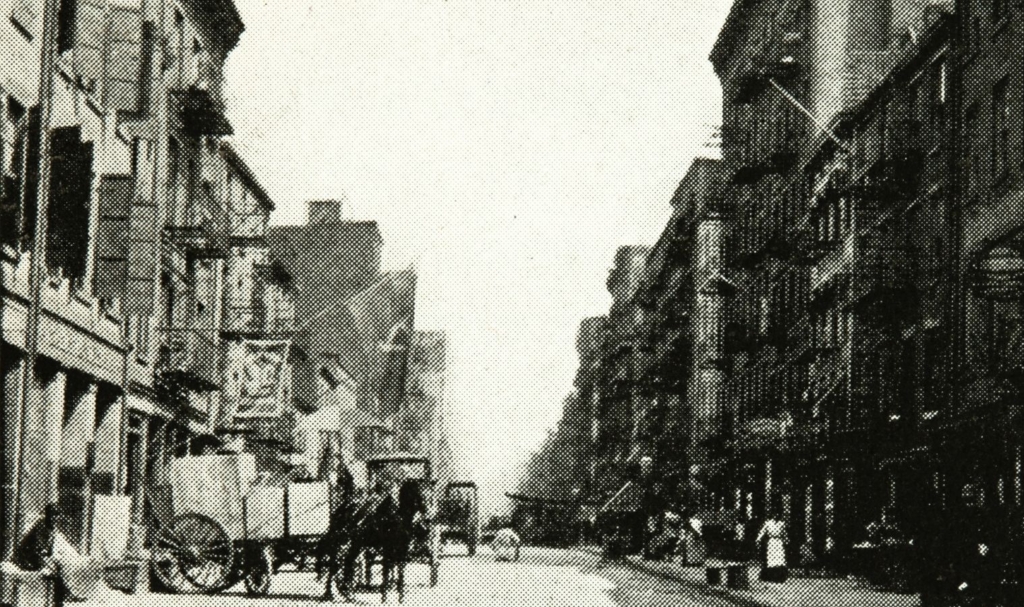
In the 1920s, prosperous Syrian families moved to Bay Ridge, which remains a Syrian-American center today. The Jabour family's arrival (circa 1920-1925) coincided with this expansion into more established neighborhoods.
Timeline of Syrian Immigration to Brooklyn
First wave: Manhattan's "Little Syria" established on Washington Street
Brooklyn's South Ferry becomes initial Syrian settlement area
Brooklyn's Syrian population surpasses Manhattan's
Jabour family arrival — joined established community, likely as Maronite Christians
Prosperous Syrians expand into Bay Ridge, Park Slope, and Sunset Park
10,000 Syrian-Americans in Brooklyn with churches, businesses, and cultural institutions
Our Lady of Lebanon Maronite Cathedral established in Brooklyn Heights
Bay Ridge remains a thriving Syrian-American and Maronite Christian community center
The Jabour Family Context
- Arrived during the peak Syrian immigration period, just before the 1924 Immigration Act
- Joined an already-established Brooklyn community of 10,000 Syrian-Americans
- Coincided with the expansion into Bay Ridge and other prosperous neighborhoods
- Likely arrived as Maronite Christians (54% of Jabbours in Lebanon are Maronite)
- Would have worshipped at Maronite Catholic parishes in Brooklyn and nearby areas
- Part of the broader Arabic-speaking Christian diaspora maintaining faith and culture
Notable People Named Jabbour
The Jabbour name has been carried by distinguished individuals across literature, music, academia, and public service, particularly from Lebanon and Syria.
Jabbour Douaihy
1949–2021 | Lebanon
Critically-acclaimed Lebanese writer, translator, and professor of literature. Born in Zgharta, northern Lebanon, he earned his PhD in Comparative Literature from the Sorbonne. A multi-award-winning novelist, he was regarded as the narrator of Lebanese life, with works depicting contemporary Lebanese history.
Raphael Jabbour
Born 1996 | Lebanon
Lebanese singer, songwriter, and performer from Kesserwan. Named Best Rising Star of 2016 at the Middle East Music Awards. His music videos have been streamed over 3.3 million times, with popular songs including "Kazdoura" and "Awwal Nazra."
Nabeel T. Jabbour
Born 1941 | Syria-USA
Syrian-born author, lecturer, and expert on Muslim culture. An American academic and writer, he is anauthority on Christian-Muslim relations, bringing unique perspectives from his Syrian heritage to interfaith dialogue.
Kamal Toufic Jabbour
Born 1957 | Lebanese-American
Born into a Maronite Christian family in Shemlan, Lebanon. US Air Force Senior Scientist for Information Assurance. Retired member of the Scientific and Professional Career Service of the United States, contributing to national cybersecurity efforts.
Gabriel Jabbour
1922–1987 | Egyptian-French
French actor of Lebanese origin, born in Alexandria, Egypt. Known for his work in French cinema and television, representing the Lebanese diaspora in European arts.
Alan Jabbour
1942–2017 | Syrian-American
American musician and folklorist, grandson of Syrian immigrant Abdullah Jabbour (emigrated 1893 from an-Nabk, Syria).Director of the American Folklife Center at the Library of Congress, he was integral to preserving old-time American fiddling traditions.
References
[1] Forebears. "Jabbour Surname Origin, Meaning & Last Name History." https://forebears.io/surnames/jabbour
[2] Geneanet. "Last name JABOUR: origin and meaning." https://en.geneanet.org/surnames/JABOUR
[3] Wikipedia. "Syrian Americans in New York City." https://en.wikipedia.org/wiki/Syrian_Americans_in_New_York_City
[4] Lebanese Studies at NC State. "Debut of Syrians in New York: Mapping Movement, 1900-1930." https://lebanesestudies.ncsu.edu/news/2017/09/06/debut-of-syrians-in-new-york-mapping-movement-1900-1930/
[5] NYC Lens. "Home for a Century: The Syrians of Bay Ridge." https://nycitylens.com/home-century-syrians-bay-ridge/
[6] Quora. "In Lebanon, is it easy to tell a person's religion by his/her family name?" https://www.quora.com/In-Lebanon-is-it-easy-to-tell-a-persons-religion-by-his-her-family-name
[7] Wikipedia. "Kamal Jabbour." https://en.wikipedia.org/wiki/Kamal_Jabbour