From Sicily to Queens
The Name Picone
A Southern Italian surname rooted in the tools of labor and the courage of immigration, tracing the journey from Sicilian hillsides to the streets of New York City and Queens County
Etymology & Meaning
The surname Picone is of Italian origin with multiple possible derivations, all rooted in the working-class traditions of Southern Italy.
Primary Origin: "Pickaxe"
Italian: piccone
The most common derivation is from the Italian dialect word piccone, meaning"pickaxe" or "(pick)axe"—a metonymic occupational name for someone who made or used a pickaxe.
- •Stonecutters who quarried marble and stone
- •Miners extracting resources from Sicilian hills
- •Construction workers building roads and infrastructure
Alternative Origins
1. Augmentative of "Pico"
From Pico meaning "peak" or "summit," suggesting "big peak"—possibly a topographic name for someone living near a mountain peak.
2. Calabrian "Woodpecker"
Calabrian dialect picune = "woodpecker," possibly a nickname based on characteristics or behavior.
3. Habitational Name
From a place named Picone in Bari province (Puglia region), indicating family originated from that location.
Geographic Distribution
The Picone surname is distinctly Southern Italian, concentrated in regions that experienced heavy emigration to the Americas between 1880 and 1924.
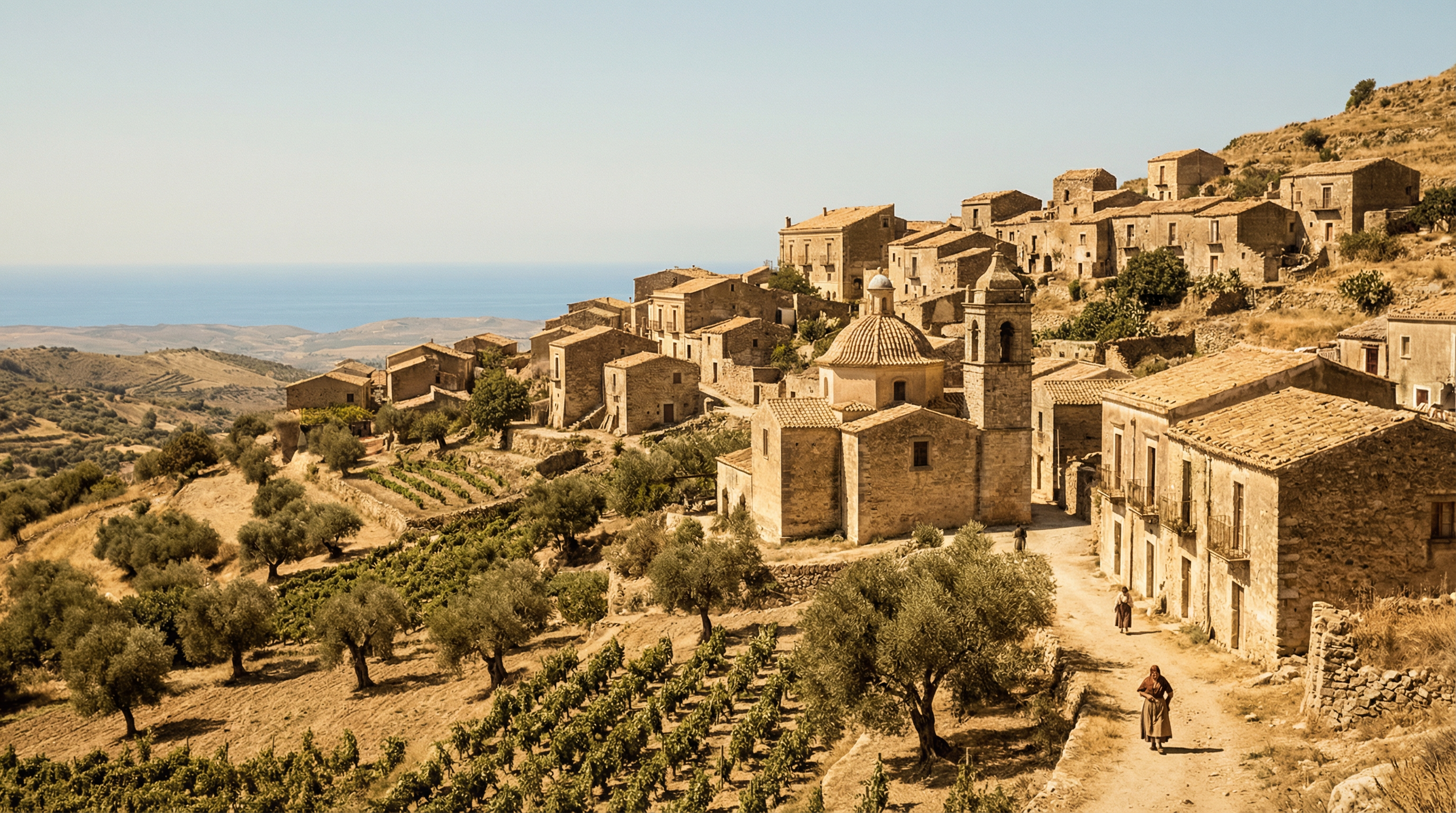
A traditional Sicilian village—home to many Picone families before emigration
"The surname Picone is derived from the Italian word piccone, which means pickaxe or hammer, suggesting that the name may have originally been occupational, referring to someone who worked with these tools, such as a stonecutter or miner."
Ancient and Noble Sicilian Family
According to the Heraldry Institute of Rome, Picone is recognized as an "ancient and noble Sicilian family" that spread over centuries to various regions of Italy, where surname variants developed. The family crest is associated with a noble crown, indicating aristocratic heritage alongside the working-class occupational origins.
The Great Wave: Italian Immigration to NYC
The Picone family's immigration to New York City and Queens County places them within the largest wave of Italian immigration to the United States.
Italians immigrated to the United States between 1820 and 1978
Italians arrived during the peak decade of 1900-1910
Italians and Italian-Americans live in the greater New York metro area today
Why They Came: Push Factors from Southern Italy
- Extreme poverty and lack of economic opportunity in agricultural regions
- Political instability following Italian unification (1861)
- Natural disasters: earthquakes, volcanic eruptions, droughts
- Overpopulation in rural areas with limited farmland
- Feudal land systems that kept peasants in perpetual poverty
- Promise of work in America's booming construction and industry
Working in New York: The Italian-American Experience
Occupations (1880-1914)
According to historian Samuel Baily, 75% of Italian immigrants worked in manual labor:
- •Construction and infrastructure (roads, bridges, buildings)
- •Stone masons and marble workers (relevant to "pickaxe" etymology)
- •Transportation (longshoremen, dock workers)
- •Factory work (garment industry, food processing)
- •By 1890: Nearly 90% of NYC Department of Public Works laborers were Italian
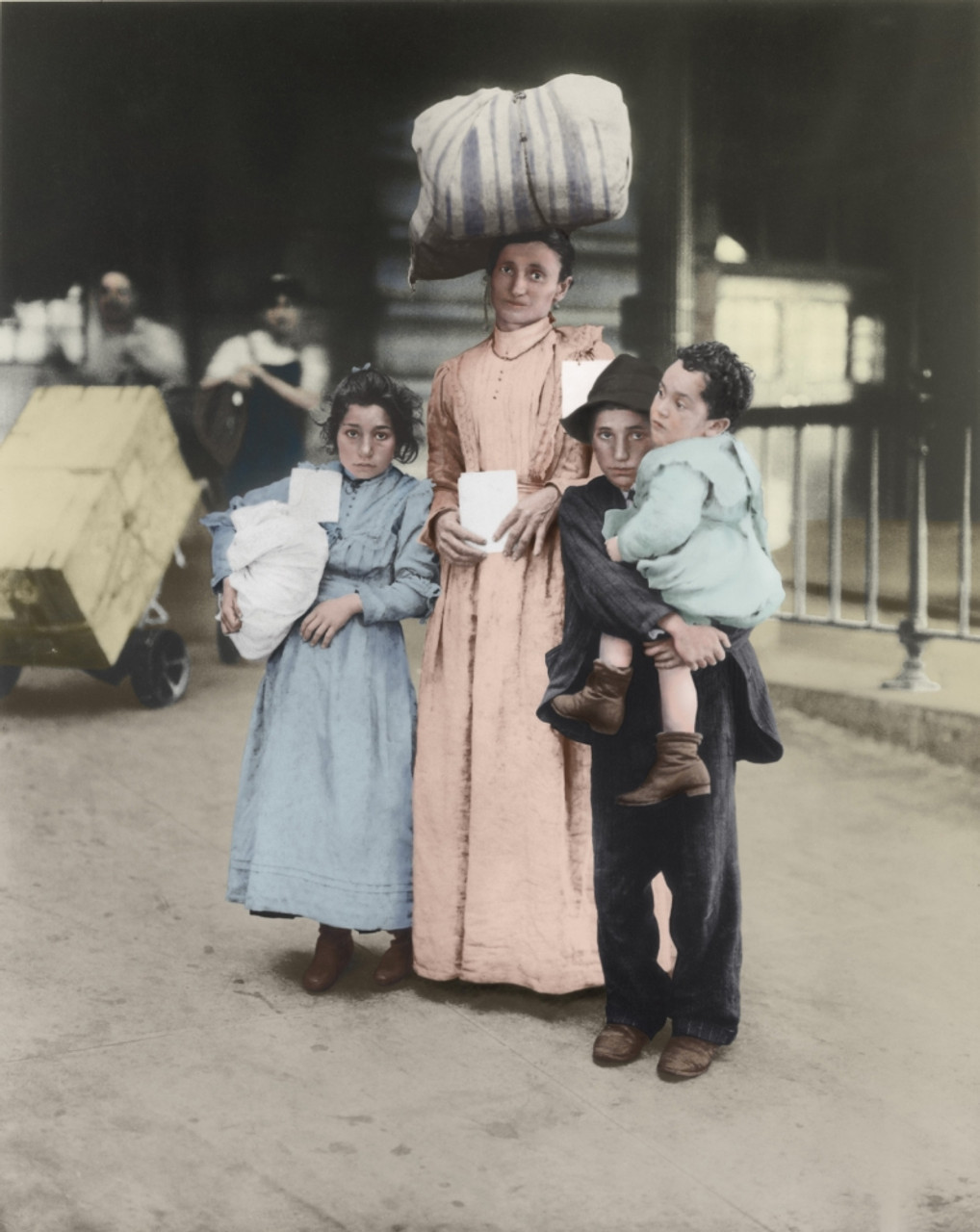
An Italian immigrant family at Ellis Island, 1905
Wages: Italian immigrants earned well below average rates. In 1909, weekly earnings averaged $9.61 (compared to $13.63 for Germans). Many planned to save $200 and return to Italy within 2 years, though about half eventually stayed permanently.
Settlement in Queens County
After World War II, Italian Americans moved from Manhattan's crowded tenements to Queens, establishing thriving neighborhoods that maintained Italian culture while embracing the American dream.
Major Italian Neighborhoods in Queens
- Corona — Began attracting Italians in early 1900s, built shops and businesses
- Astoria — Major Italian settlement with restaurants, bakeries, social clubs
- Ozone Park — Known as "Queens's Little Italy"
- Howard Beach — Predominantly Italian-American, developed 1920s-1950s
- Middle Village, Ridgewood, Whitestone — Italian-American concentrations
Why Queens?
Queens offered Italian families opportunities unavailable in Manhattan's crowded tenements:
- •Homeownership: Affordable single-family and two-family houses
- •Space: Yards, parks, less crowding than Manhattan
- •Community: Italian churches, social clubs, businesses
- •Better schools: For second and third generations
- •Transportation: Subway connections to Manhattan jobs
The Italian-American Dream in Queens
By the 1950s, Italian-American families in Queens had achieved remarkable upward mobility. Rows of brick homes with manicured lawns, tomato gardens, and American flags represented the fulfillment of immigrant aspirations—homeownership, stability, and opportunity for the next generation.
The Picone surname in the United States today earns an average income of $48,996 USD—13.55% above the national average—reflecting successful economic integration and generational advancement.
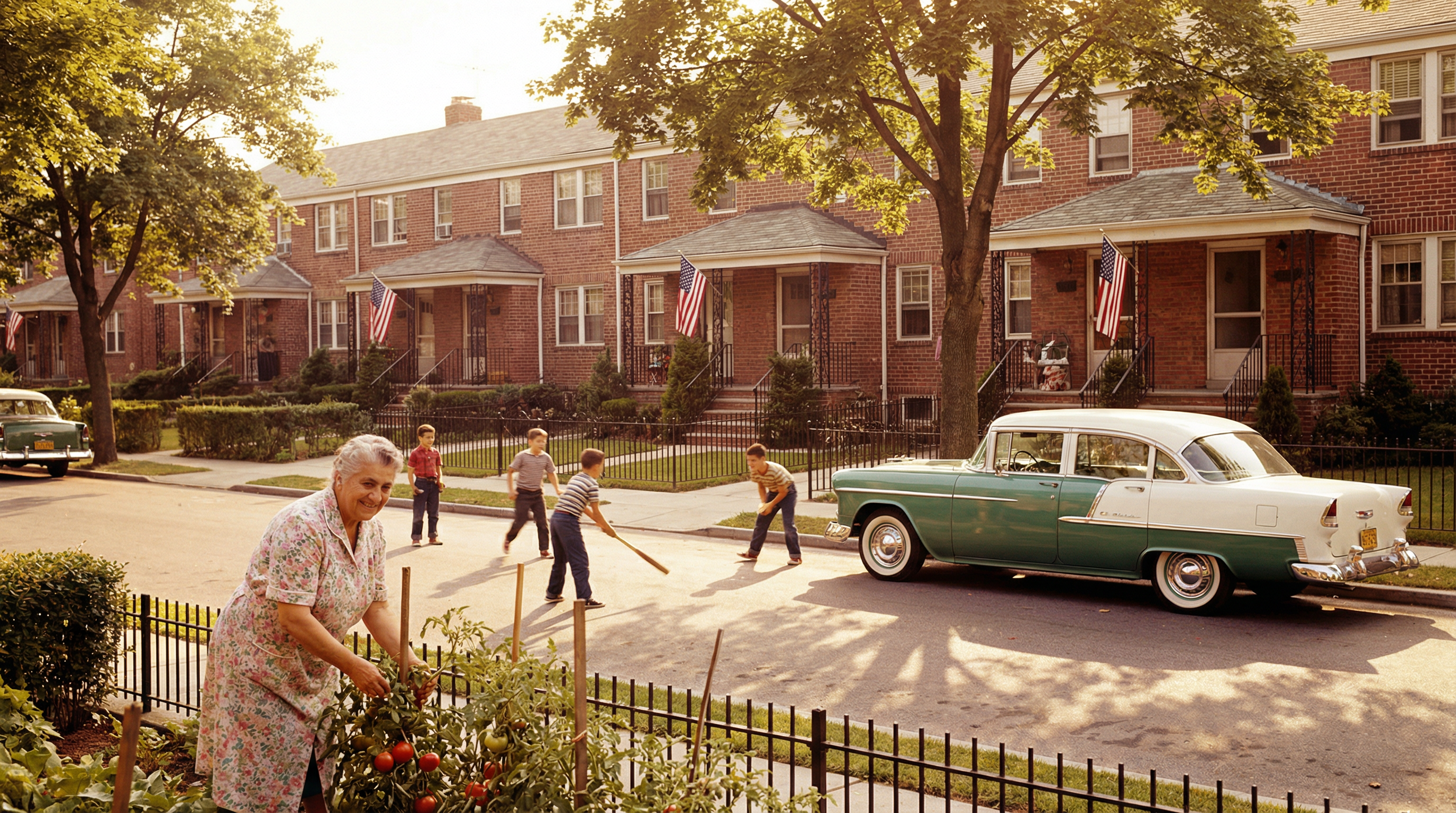
Historical Images: Little Italy to Queens
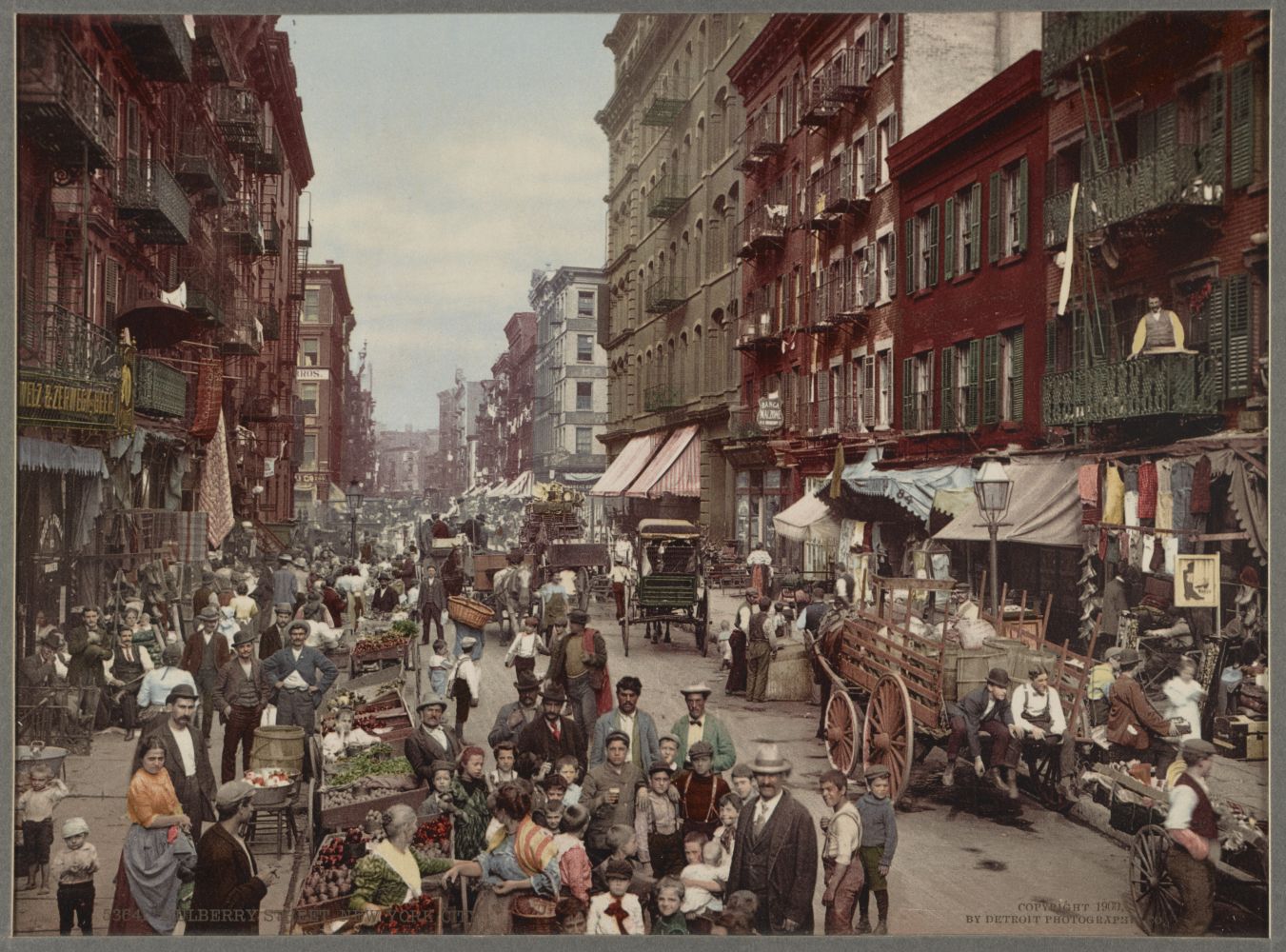
Mulberry Street, Manhattan's Little Italy—initial settlement before Queens expansion
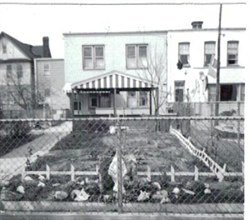
Corona, Queens—where Italian families built new lives and communities
Roman Catholic Heritage
Southern Italian families like the Picones were virtually all Roman Catholic, maintaining strong religious traditions and establishing Italian national parishes throughout Queens.
Italian Parishes
Italian-language masses, feast days, and patron saint devotions maintained cultural identity
Community Life
Social clubs, mutual aid societies, and religious festivals strengthened Italian-American bonds
Sacred Traditions
Devotion to Our Lady of Mount Carmel, St. Anthony, St. Joseph, and regional patron saints
Notable People Named Picone
The Picone name has been carried by distinguished individuals across mathematics, performing arts, and Italian-American culture.
Mauro Picone
1885–1977 | Sicily, Italy
One of the most distinguished Italian mathematicians of the 20th century. Born in Palermo, Sicily, he worked on ordinary and partial differential equations and founded the Italian Institute for Applications of Calculus. Listed among notable people from Sicily.
Giuseppe Picone
Born 1976 | Italy
Italian Principal ballet dancer and choreographer. Since 2016, he has served as Artistic Director of the Ballet Company of Teatro San Carlo in Naples, representing high culture and arts from the Campania region.
Valentino Picone
Born 1971 | Palermo, Sicily
Italian actor, comedian, and writer. Born in Palermo, he is part of the comedy duo Ficarra e Picone. Known for films including L'ora legale (2017) and Once Upon a Time in Bethlehem, representing Sicilian contributions to Italian cinema.
Vito Picone
American Musician
Italian-American musician and lead singer of The Elegants, known for the hit song"Little Star" (1958). Represents Italian-American contributions to American popular music and doo-wop culture of the 1950s.
Carmen Piccone
1929–2005 | United States
American football coach (variant spelling: Piccone). Represents Italian-American success in American sports and coaching, part of the second generation that achieved professional status.
Lou Piccone
Born 1949 | United States
American football player (variant spelling: Piccone). Italian-American athlete representing the integration of Italian-Americans into mainstream American sports culture.
References
[1] Forebears. "Picone Surname Origin, Meaning & Last Name History." https://forebears.io/surnames/picone
[2] MyHeritage. "Picone Last Name — Surname Origins & Meanings." https://lastnames.myheritage.com/last-name/picone
[3] Ancestry.com. "Picone Surname Meaning & Picone Family History." https://ir.ancestry.com/last-name-meaning/Picone
[4] Wikipedia. "Italians in New York City." https://en.wikipedia.org/wiki/Italians_in_New_York_City
[5] Heraldry Institute of Rome. "Picone Variations Last name: Ficone." https://www.heraldrysinstitute.com/lang/en/cognomi/Picone/Italia/
[6] MacTutor History of Mathematics. "Mauro Picone Biography." https://mathshistory.st-andrews.ac.uk/Biographies/Picone/
[7] Library of Congress. "Italian Immigration and Relocation in U.S. History." https://www.loc.gov/classroom-materials/immigration/italian/