Kelly & Graham
A Journey from Ulster to Glasgow, Where Irish and Scottish Heritage Unite
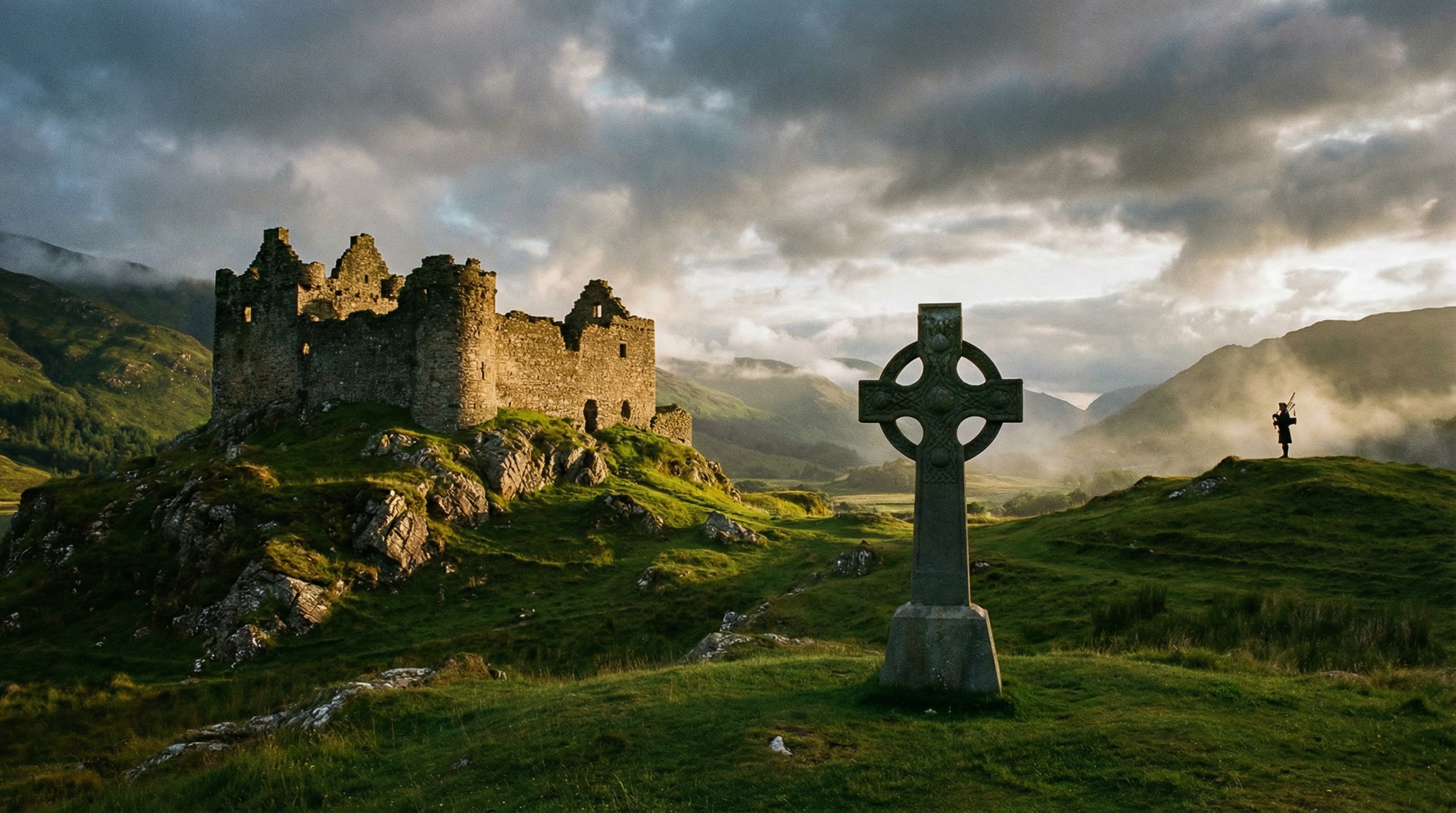
The Kelly-Graham story is one of two proud Celtic families whose paths converged in Glasgow, Scotland. The Kellys, Ulster Catholics who may have originated as Scottish Highland Catholics "moved to Ulster" centuries before, made the journey across the Irish Sea during the great migration of the 1800s. The Grahams, one of Scotland's most distinguished clans, trace their lineage to Norman knights and Scottish heroes who fought alongside William Wallace.
When Mary Graham married into the Kelly family in early 20th century Glasgow, she united two remarkable heritages—one forged in the struggles of Ulster and the industrial heart of Glasgow, the other steeped in centuries of Scottish clan tradition, loyalty, and honor.
The Kelly Journey
From Ulster to Glasgow: A Story of Survival, Hope, and New Beginnings
Ulster Origins
The Kelly family's story begins in Ulster, the northern province of Ireland. Family tradition speaks of being "Catholics that were moved to Ulster"—a tantalizing clue suggesting possible Scottish Highland Catholic origins. Unlike the Protestant Ulster-Scots who settled during the Plantation, these were Catholic families who may have migrated from the Scottish Highlands to Ulster in the 1600s-1700s, maintaining their Catholic faith through centuries.
DNA evidence shows strong Ulster ancestry, consistent with families who lived in counties like Derry, Donegal, or Antrim—regions where both native Irish Catholics and Scottish Highland Catholics settled. The Kelly surname itself could be either Irish (Ó Ceallaigh) or Scottish (from place names in Fife and Angus), adding to the mystery of their true origins.
Why They Left
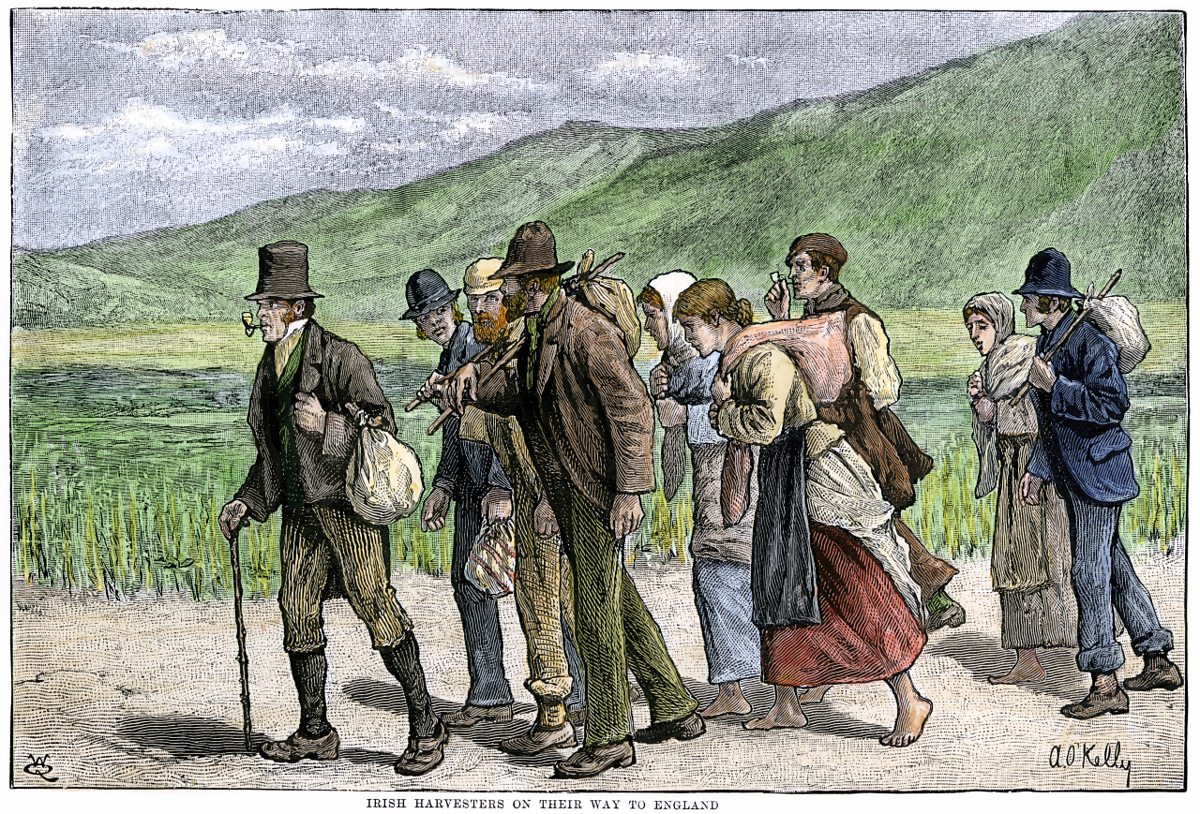
- •The Great Famine (1845-1849) devastated Ireland, killing over 1 million and displacing another million
- •Poverty and unemployment made survival in Ulster increasingly difficult
- •Population pressure—Ireland's population had doubled from 4.5M to 8M between 1800-1850
- •Hope for better wages—Scottish factory wages were 6 times higher than Irish farm work
The Journey to Glasgow
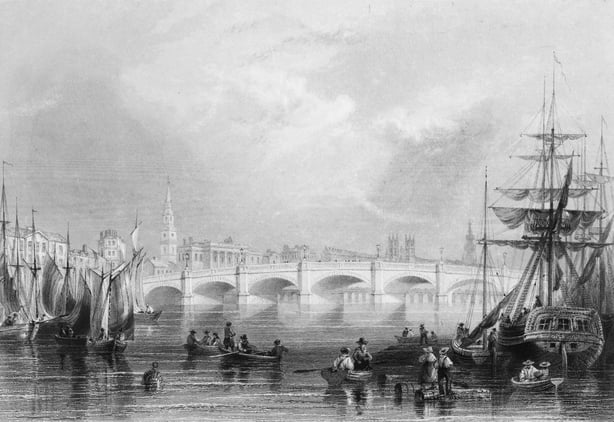
Between 1841 and 1851, the Irish population in Scotland increased by 90%. By 1841, Glasgow's population was almost 29% Irish. During 1848 alone, Glasgow saw an average weekly inflow of over 1,000 Irish immigrants.
Why Glasgow?
- ✓Proximity—Just 4 pence per head by steam-ship from Belfast
- ✓Employment—Industrial Revolution created massive labor shortage
- ✓Familiarity—Many had worked seasonal harvests in Scotland before
- ✓Family networks—Relatives already in Glasgow could help with work and housing
Life in Glasgow: The Kelly Family Settles
The Kellys settled in Glasgow's Irish Catholic neighborhoods—Anderston and Govan—both working-class areas near the Clyde shipyards. Family records show Michael Kelly worked on the SS Baron Stranraer at Queens Dock, typical of Irish Catholic employment in Glasgow's maritime industry.
They attended St. Mary's Church, where Michael Kelly married Mary Carroll in 1910. By the early 1900s, the Kellys were no longer immigrants but established Glaswegian Irish—part of a vibrant Catholic community that had built churches, schools, and social networks throughout the city.
Despite facing discrimination and living in crowded tenement housing, the Irish Catholic community thrived. They worked in shipbuilding, textiles, coal mining, and domestic service. Their children attended Catholic schools, and they maintained strong ties to their Irish heritage while becoming proud Glaswegians.
Clan Graham
One of Scotland's Most Distinguished Clans: Loyalty, Honor, and Courage
Origins & Territories
Clan Graham traces its origins to Sir William de Graham, an Anglo-Norman knight who accompanied David I to Scotland in 1127. The first lands held were around Dalkeith in Midlothian. By 1325, the Grahams were confirmed in the lordships of Kincardine and Old Montrose.
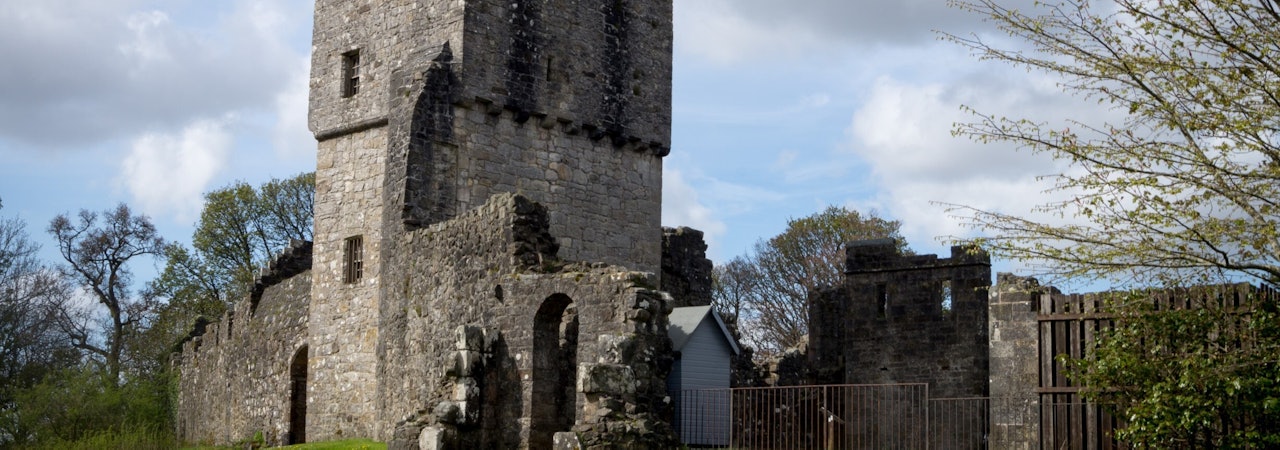
In 1370, they acquired Mugdock Castle, just 12 miles north of Glasgow, which served as their ancestral home from 1372 to 1700. The clan's territories spanned both the Highlands and Lowlands, with two main branches: the Grahams of Montrose (descended from the Duke of Montrose) and the Grahams of Menteith (descended from the Earl of Menteith).
Three Great Heroes
Sir John de Graham (d. 1298)
Friend and follower of William Wallace, regarded as Wallace's right-hand man. Rescued Wallace at Queensbury and fought alongside him until his death at the Battle of Falkirk in 1298. His grave in Falkirk churchyard is still visible today, and his great two-handed sword is preserved at Buchanan Castle.
James Graham, 1st Marquis of Montrose (1612-1650)
Brilliant military commander who led royalist forces in the Scottish Civil War. Known for his loyalty to the crown and tactical genius. One of Scotland's most celebrated military leaders.
John Graham, Viscount of Dundee (1648-1689)
"Bonnie Dundee" led Jacobite forces and was killed at the Battle of Killiecrankie in 1689. Remembered for his courage and unwavering loyalty to the Stuart cause.
"It is remarkable that the early Grahams were one and all exceedingly capable men. In an age when the reputation of many great public figures, alas, that of most of the Scottish nobility, were sullied by deeds of violence, and often deeds of blackest treachery, it is refreshing to find that the Grahams stand out as loyal and true to the causes they espoused. Their story is not one of rapid rise to power through royal favor, or even at the expense of their peers, but rather a gradual steady rise based on their undoubted ability and worthiness which seems to have endured from one generation to another."
— John Stewart, The Grahams
Mary Graham
The Woman Who United Two Worlds
Mary Graham was born in Glasgow, Scotland, into a family that carried the proud name of one of Scotland's most distinguished clans. The Grahams had been in the Glasgow area since acquiring Mugdock Castle in 1370, just 12 miles north of the city. By Mary's time, the Grahams were established Glaswegians, but they never forgot their clan heritage—the motto "Ne Oublie" (Do Not Forget) was more than words; it was a way of life.
In early 20th century Glasgow, Mary met and married into the Kelly family—Ulster Catholics who had made Glasgow their home during the great Irish migration. This was more than just a marriage; it was a union of two Celtic peoples, each with their own proud heritage, their own struggles, and their own stories of survival and resilience.
After the sinking of the Lusitania in 1915—a tragedy that shook the world and made transatlantic travel perilous—Mary Graham made the courageous decision to leave Scotland for America. She carried with her not just one heritage, but two: the Scottish clan tradition of the Grahams and the Irish Catholic resilience of the Kellys.
Mary's journey represents the convergence of two great Celtic migrations: the Irish to Glasgow (fleeing famine and poverty) and the Glaswegians to America (seeking new opportunities in the New World). In her, the Kelly and Graham families found their bridge between the Old World and the New, between Ireland and Scotland, between struggle and hope.
A Legacy of Two Worlds
The Kelly-Graham story is a testament to the enduring spirit of the Celtic peoples—Irish and Scottish, Catholic and Presbyterian, Highland and Lowland. It's a story of families who crossed seas and borders, who faced discrimination and hardship, who built new lives while honoring old traditions.
Today, their descendants carry both heritages with pride: the loyalty and honor of Clan Graham, and the resilience and faith of the Ulster Kellys. Two families, two journeys, one remarkable legacy.
References & Further Reading
Comprehensive history of Clan Graham, its origins, territories, and notable figures
Detailed account of Irish migration to Scotland during the 19th century
Official organization of the descendants of the families of the "Gallant Grahams"
Historical account of Irish Catholic settlement in Glasgow