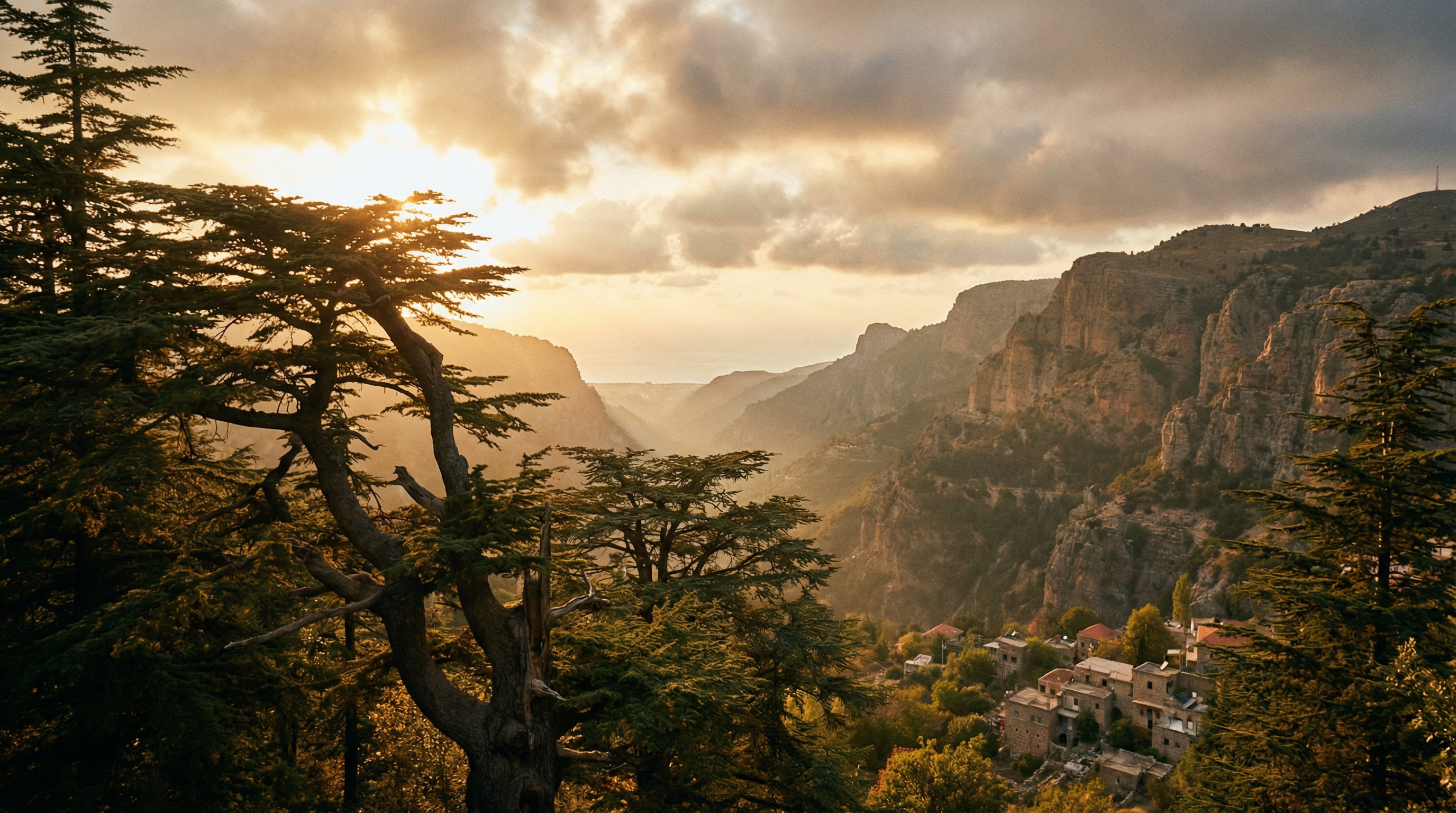
The Sarkis Family
Origins and Connections
Tracing the heritage of the Sarkis family through the Jabour, Treiber, Picone, Kelly, and Graham lineages across Lebanon, Syria, Italy, Ireland, and Scotland
The name Sarkis is a prominent and historically rich name, particularly prevalent in the Middle East and especially within the Christian communities of Lebanon. Its origins are deeply rooted in Roman history and Christian tradition, with multiple layers of meaning and association that have contributed to its enduring popularity.
From Roman Clan to Christian Saint
The name Sarkis is the Armenian (Սարգիս) and Arabic (سركيس) rendering of the ancient Roman name Sergius. The etymological journey of the name can be traced back through several stages:
The Roman Gens Sergia
The name originates from the nomen of the gens Sergia, a patrician family in ancient Rome. The Sergii were one of the oldest Roman families, tracing their lineage back to the city of Alba Longa.[1]
The Meaning of Sergius
The precise etymology of Sergius is debated among scholars. One theory suggests it may have ancient Etruscan roots. Another prominent theory connects it to the Latin praenomen Servius, derived from a root meaning "to preserve," "to keep safe," or "to serve." This has led to the name being associated with meanings such as "servant," "guardian," or "protector."[2] [3]
Adoption and Spread
The name Sergius became a common personal name during the Roman Empire and spread to the Byzantine Empire in its Greek form, Sergios (Σέργιος). Its popularity grew significantly with the rise of Christianity, largely due to the veneration of saints who bore the name.[1]
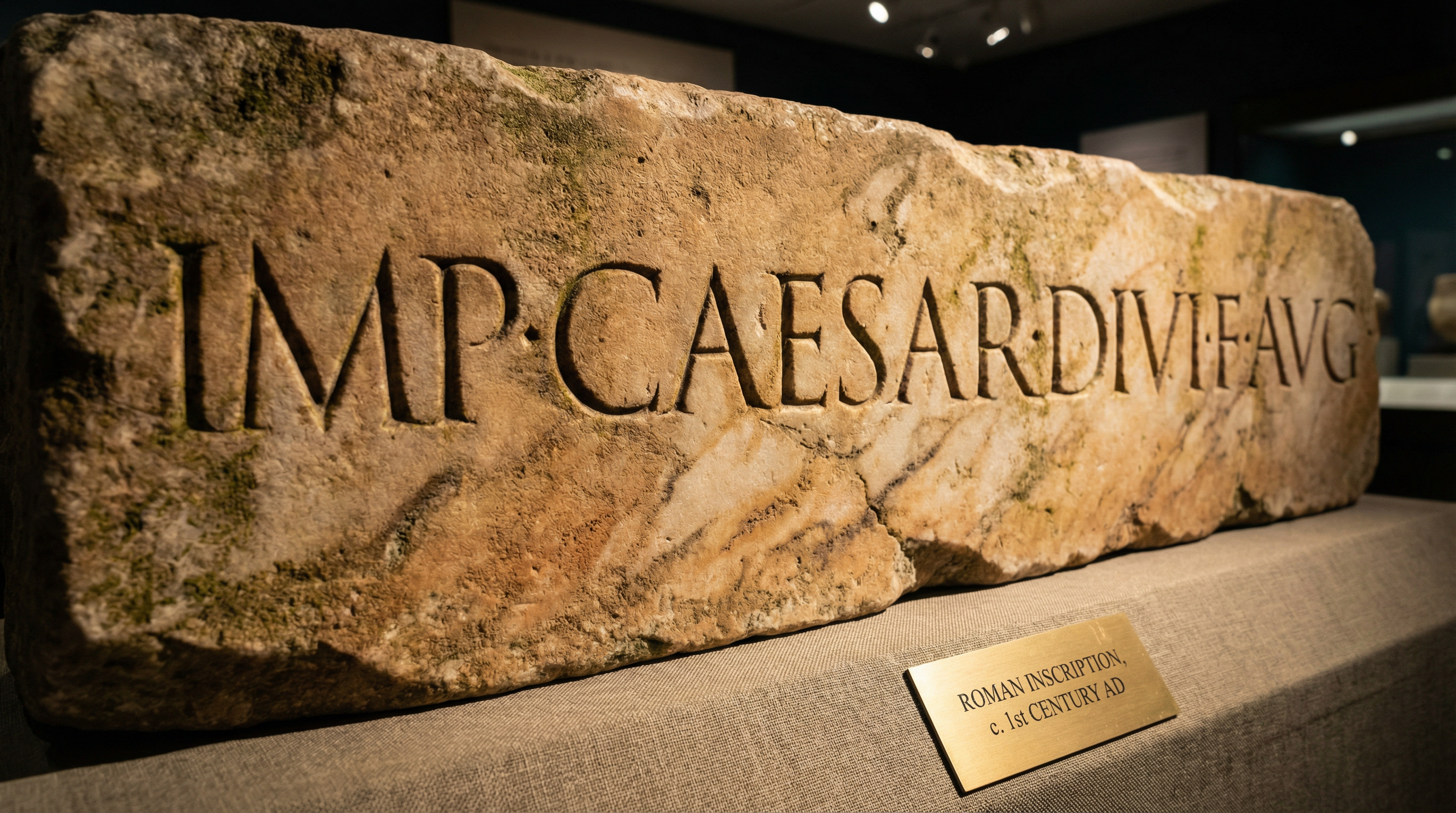
Roman inscriptions like this one preserved the names of patrician families, including the gens Sergia
The Veneration of Saints
The name's strong association with Christianity is primarily linked to two major saints, who, despite often being conflated, are distinct figures in Christian hagiography.
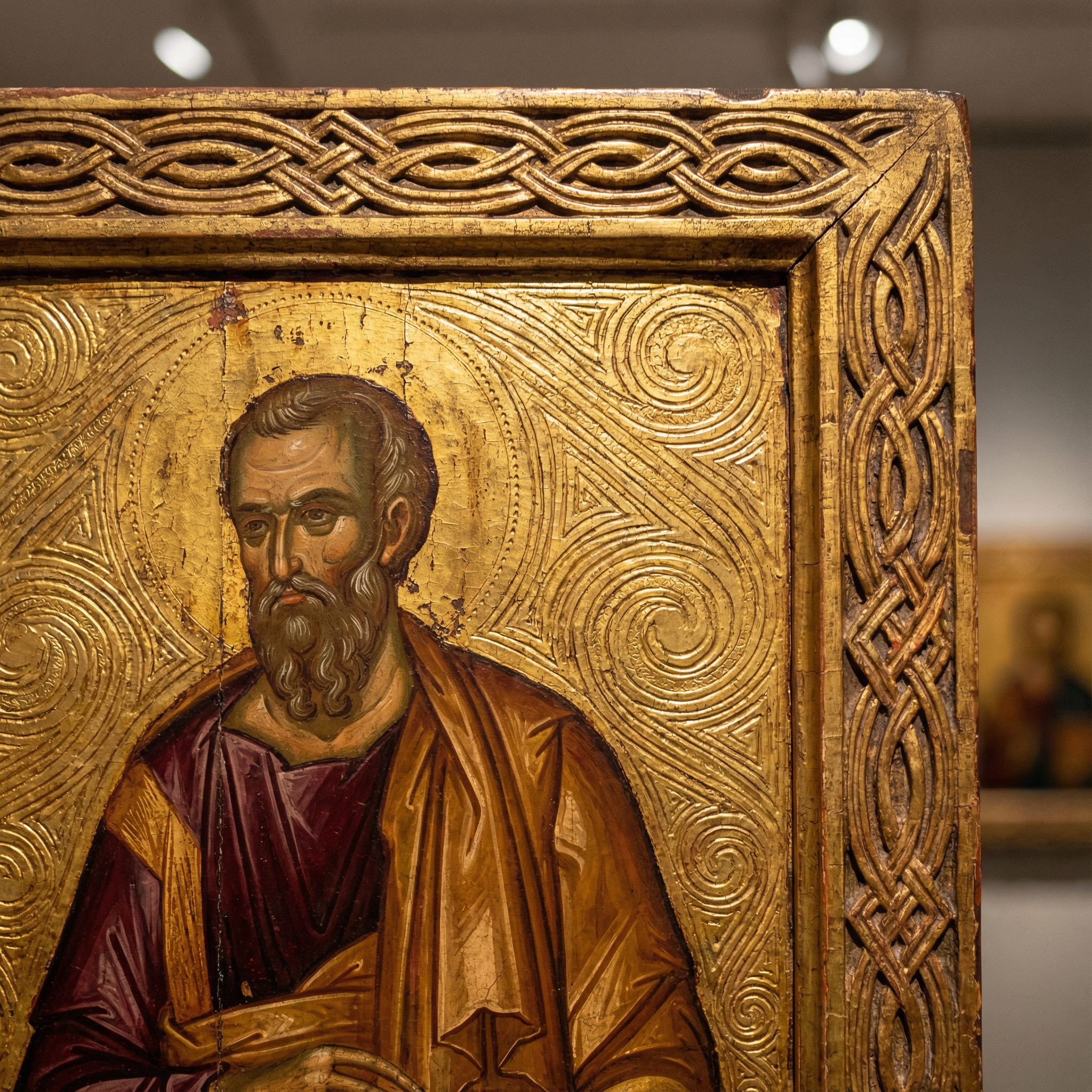
Mar Sarkis & Bakhos
Saints Sergius and Bacchus were fourth-century Roman soldiers and high-ranking officers stationed in Syria who were martyred for their Christian faith around 303 AD during the persecutions of Emperor Galerius.
"According to their hagiography, Sergius and Bacchus were held in high favor by the emperor until they were exposed as secret Christians. They were then publicly humiliated, tortured, and executed. Bacchus died during torture, and Sergius was eventually beheaded at Resafa, Syria, which was later renamed Sergiopolis in his honor."
These two saints, known in Arabic as Mar Sarkis wa Bakhos, are among the most celebrated martyrs in the Eastern Churches, including the Maronite Catholic Church.
Learn more on Wikipedia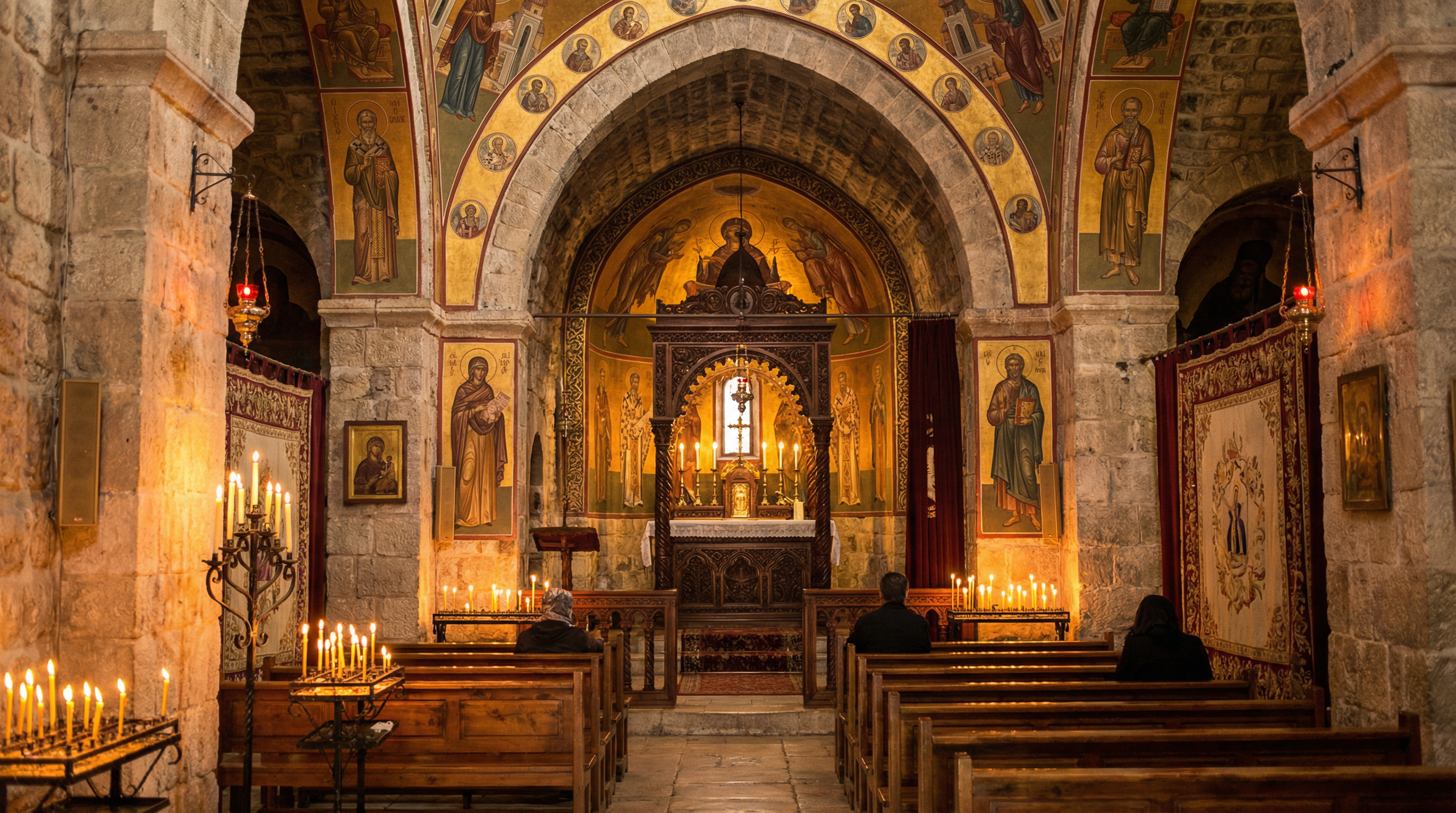
Sarkis Zoravar (The General)
Distinct from Saint Sergius is Saint Sargis the General (Սուրբ Սարգիս Զորավար), a Cappadocian Greek general who is one of the most beloved saints in the Armenian Apostolic Church.
"Saint Sargis served as a general in the Roman army during the reign of Emperor Constantine the Great. When Emperor Julian the Apostate began persecuting Christians, Sargis, along with his son Martiros, sought refuge in Armenia before moving to Persia. There, he was executed by Shah Shapur II around 362-363 AD for refusing to participate in a Zoroastrian ceremony."
In Armenian culture, Saint Sargis is venerated as the patron saint of love and youth, akin to Saint Valentine.
Learn more on WikipediaThe Name Sarkis in Lebanon
The name Sarkis is exceptionally common in Lebanon, both as a first name and a surname. Its prevalence is deeply intertwined with the country's Christian heritage, particularly within the Maronite community.
| Aspect | Details |
|---|---|
| Frequency | According to Forebears.io, the surname Sarkis is most frequently found in Lebanon, with an estimated 7,140 individuals carrying the name.[9] |
| Geographic Distribution | The name is particularly concentrated in the Mount Lebanon Governorate, a historical heartland of the Maronite Christian community. |
| Notable Figure | Elias Sarkis served as the President of Lebanon from 1976 to 1982. He was a Maronite Christian from the mountain village of Chebanieh.[10] |
Churches Dedicated to Mar Sarkis
Notable People Named Sarkis
Throughout history, many distinguished individuals from the Middle East and beyond have carried the name Sarkis, contributing to politics, arts, business, and culture.
Élias Sarkis
1924–1985 | Lebanon
Lebanese lawyer and politician who served as the 6th President of Lebanon from 1976 to 1982. Born in Shabbaniah, he graduated from Saint Joseph University and served as Central Bank governor before his presidency. He led Lebanon through six of its most turbulent years during the civil war.
Hashim Sarkis
Born 1964 | Lebanon
Lebanese architect, Dean of MIT School of Architecture and Planning, and curator of the17th Venice Architecture Biennale (2021). His work bridges contemporary architecture with Middle Eastern urban contexts.
Calouste Sarkis Gulbenkian
1869–1955 | British-Armenian
British Armenian businessman and philanthropist known as "Mr. Five Percent" for his role in Iraqi oil concessions. Founded the Calouste Gulbenkian Foundation, one of the world's largest charitable foundations, supporting arts and education globally.
Joseph Sarkis
Born 1949 | Lebanon
Lebanese politician and government minister. Part of Lebanon's political landscape during critical periods of the nation's modern history.
Sarkis (Zabunyan)
Born 1938 | Armenian-Turkish-French
Conceptual artist known mononymously as "Sarkis". His work explores memory, displacement, and cultural identity, exhibited in major museums worldwide including the Centre Pompidou.
Ghassan Sarkis
Born 1957 | Lebanese-French
Lebanese-French basketball coach who has contributed to the development of basketball in Lebanon and the broader Middle East region.
A Name Rich with Meaning
The derivation of the name Sarkis is a testament to the flow of culture, language, and religion across centuries. From its origins as the name of a Roman patrician clan to its adoption as a Christian name honoring martyred saints, Sarkis has become a name rich with meaning. In Lebanon, it is more than just a name; it is a symbol of deep-rooted Christian faith and cultural identity, continuously reinforced by the veneration of Mar Sarkis and the enduring legacy of the saints who bore the name.
References
- [1]"Sergius (name) - Wikipedia."https://en.wikipedia.org/wiki/Sergius_(name)
- [2]"Meaning, origin and history of the name Sergius - Behind the Name."https://www.behindthename.com/name/sergius
- [3]"Sarkis Surname Meaning & Sarkis Family History - Ancestry.com."https://www.ancestry.com/last-name-meaning/Sarkis
- [4]"Sergius and Bacchus - Wikipedia."https://en.wikipedia.org/wiki/Sergius_and_Bacchus
- [5]"Mar Sarkis, Ehden - Wikipedia."https://en.wikipedia.org/wiki/Mar_Sarkis,_Ehden
- [6]"Recording and Publication of the Church of Mar Sarkis - Dumbarton Oaks."https://www.doaks.org/research/byzantine/project-grants/...
- [7]"Sargis the General - Wikipedia."https://en.wikipedia.org/wiki/Sargis_the_General
- [8]"St. Sarkis the Warrior - The Armenian Church."https://armenianchurch.us/the-saints/st-sarkis-the-warrior/
- [9]"Sarkis Surname Origin, Meaning & Last Name History - Forebears."https://forebears.io/surnames/sarkis
- [10]"Élias Sarkis - Wikipedia."https://en.wikipedia.org/wiki/Élias_Sarkis